Bottom line: not all dog allergy products or sprays work the same — and some may create more problems than they solve.
Dog allergies are triggered mainly by a protein called Can f 1. When this protein becomes airborne or settles on surfaces, it causes sneezing, itchy eyes, congestion, and other symptoms.
Sprays that claim to reduce allergens differ drastically in how they work — and this difference matters.

How Dog Allergy Sprays Work
There are three main types of sprays:
The science behind these categories matters because only targeted sprays act specifically on dog allergens with minimal side effects. Generic cleaners like bleach (Clorox) can reduce microbes and allergens on surfaces but often irritate respiratory systems and skin.
- Targeted allergen neutralizers - bind and neutralize allergens (like Can f 1) where they occur
- Surface cleaners - remove allergens from surfaces but do not neutralize them in the air
- Harsh disinfectants - can reduce allergens but risk irritation and unwanted side effects
Why Specificity Matters
Scientific evidence shows that allergen mitigation is most effective when the treatment binds or neutralizes the specific allergen protein (Can f 1) rather than just cleaning surfaces. Generic sprays may reduce surface allergens but do not stop airborne triggers and may contribute to side effects like respiratory irritation.
Top Dog Allergy Sprays in 2026
1. Pacagen Dog Allergen Neutralizing Spray
What it does: Specifically targets Can f 1 allergens in the environment, neutralizing them so they cannot trigger symptoms.
Why it's top rated: Pacagen's protein-based technology is designed for safety and specificity, reducing side effects and maximizing allergen reduction.
- Science-backed allergen neutralization
- Works on fabrics, furniture, and in the air
- Minimal irritation risk

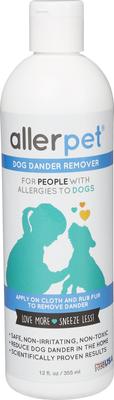
2. Allerpet Dog Allergy Spray
Allerpet works by rinsing and brushing allergens away from fur and surfaces. It can be effective for some dogs, but its mechanism is less specific than Pacagen and may require frequent application.
- Surface-level allergen removal
- Can be helpful when paired with grooming
- Less targeted at Can f 1 specifically
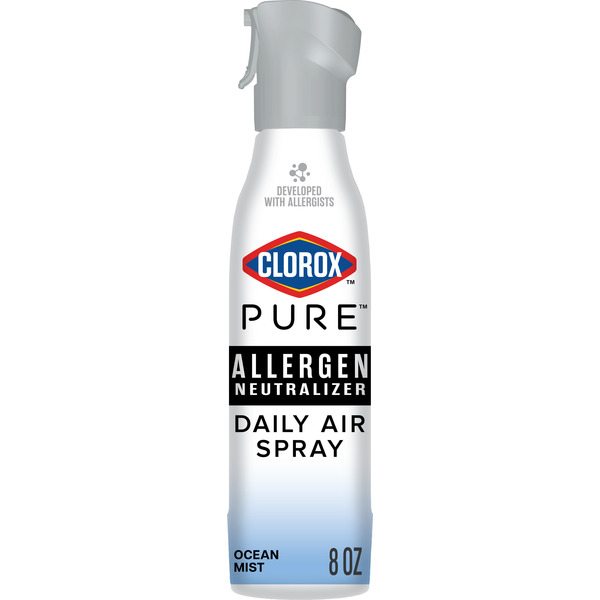
3. Clorox & General Surface Cleaners
These products may reduce allergens on hard surfaces, but they are not designed for airborne allergen control and may irritate sensitive skin or lungs. The Clorox Pure line uses ingredients that are not specific to pet allergens, so effects are incidental at best.
- Broad antimicrobial (uses bleach)
- May leave chemical residues
- Not designed for indoor air allergen reduction
The Best Dog Allergy Sprays — Side by Side Comparison
| Feature | Pacagen | Allerpet | Clorox |
|---|---|---|---|
| Direct Can f 1 Neutralization |  |  |  Limited Limited |
| Airborne Allergen Reduction | | Limited | |
| Safe for Daily Use | | Grooming Use | |
| Works on Soft Surfaces | | Surface-only | Limited |
| Best Use Case | Daily allergen control | Occasional grooming aid | Hard-surface disinfection only |
How to Use Dog Allergy Sprays Safely
In 2026, the best dog allergy sprays are not the strongest disinfectants — they are the most precise. Pacagen stands out because it was designed specifically for Can f 1, not adapted from general-purpose cleaning chemistry.
Targeted sprays work best as part of a broader allergen management plan — including grooming, air filtration, and cleaning — for a healthier, more breathable home.
- Spray in well-ventilated areas.
- Focus on high-contact zones (furniture, bedding, carpet).
- Avoid spraying directly on dogs unless product is formulated for that use.
- Use in conjunction with regular cleaning and grooming.