When allergy symptoms start acting up at home, opening a window can feel like the obvious solution.
Fresh air comes in. Stale air goes out. Problem solved, right?
Not always.
If you live with a cat or dog and struggle with allergies, opening your windows can have very different effects depending on what's happening outside. While ventilation can help move indoor pollutants and stale air out, an open window can also introduce pollen, mold spores, and other airborne particles into your home.
So, should you keep your windows open or closed?
Let's break it down.
What Actually Causes Pet Allergies?
First, it's important to understand what you're reacting to.
Pet allergies aren't caused by fur itself. They're usually triggered by proteins found in things like a pet's saliva, skin flakes, and urine. In cats, Fel d 1 is the primary allergen. Dogs can produce several allergens, including Can f 1.
These allergens are incredibly small and lightweight. They can become airborne, settle into carpets and furniture, and travel throughout your home on clothing and other surfaces.
That means simply opening a window isn't necessarily going to "flush out" the pet allergens already inside your home.
In fact, some allergens may remain on household surfaces long after they leave the air.
So, Can Opening a Window Actually Help?
Sometimes.
Opening windows can increase natural ventilation, which may help replace stagnant indoor air with outdoor air.
If your home feels stuffy or has accumulated indoor pollutants, bringing in fresh outdoor air can be beneficial.
But there's an important catch:
The outdoor air you're bringing inside isn't allergen-free.
The EPA notes that biological contaminants—including pollen, mold spores, and other particles—can enter homes through windows, doors, and ventilation systems.
So if you're opening your windows during a high-pollen day, you could be trading one allergy trigger for another.

When Opening Your Windows Could Make Allergies Worse
If you're sensitive to both pets and seasonal allergies, pay attention to what's happening outside.
1. During High-Pollen Days
Trees, grass, and weeds release pollen into the air at different times of the year.
When pollen counts are high, opening your windows gives those particles a direct route into your home.
For someone who already reacts to pet allergens, adding a significant amount of pollen to the indoor environment may make symptoms even harder to manage.
2. When Mold Spores Are High
Outdoor mold spores can also enter through open windows.
Rainy, damp weather and areas with decaying vegetation can create conditions where mold spores become more prevalent. If you're sensitive to mold, keeping windows open during these periods may not be the best strategy.
3. If Your Pet Allergens Are Already Everywhere
Here's the part that's easy to overlook.
Opening a window only affects what's in the air. It doesn't magically remove allergens that have already settled onto your couch, carpet, bedding, curtains, or other surfaces.
Pet allergens can circulate through the air and remain on household surfaces for long periods.
So even if opening the window removes some airborne particles, you're still dealing with the allergen reservoir throughout your home.
When Should You Keep the Windows Closed?
If pollen or outdoor allergens are a major trigger for you, keeping windows closed during high-pollen periods can help limit the amount of outdoor allergens entering your home.
The Mayo Clinic specifically recommends closing windows and relying on air conditioning during pollen season for people trying to allergy-proof their homes.
This doesn't mean you need to keep your house sealed shut forever.
Instead, think about when you're opening the windows.
A cool, low-pollen morning may be very different from a hot, windy afternoon during peak pollen season.
The Bottom Line on Windows
Opening a window changes the air. It doesn't necessarily remove the allergen.
What About Air Purifiers?
If your goal is cleaner indoor air, an air purifier can be a more controlled option.
A properly sized HEPA air purifier can help capture airborne particles, including some airborne pet allergens. Mayo Clinic and NIEHS both recommend high-efficiency filtration as part of an overall strategy for reducing exposure to pet allergens.
The advantage is that you're filtering the air that's already inside your home rather than relying on whatever happens to be floating around outside.
But there's another important distinction:
Air filtration works on airborne particles. It doesn't remove every allergen that has already settled onto your furniture and other surfaces.
That's why indoor allergy management usually works best as a combination of strategies.
What Actually Helps Reduce Pet Allergens at Home?
If you're living with a cat or dog while managing allergies, think beyond the window.
1. Use HEPA Filtration
A HEPA air purifier can help reduce airborne allergens.
For maximum benefit, place it in the rooms where you spend the most time—especially the bedroom.
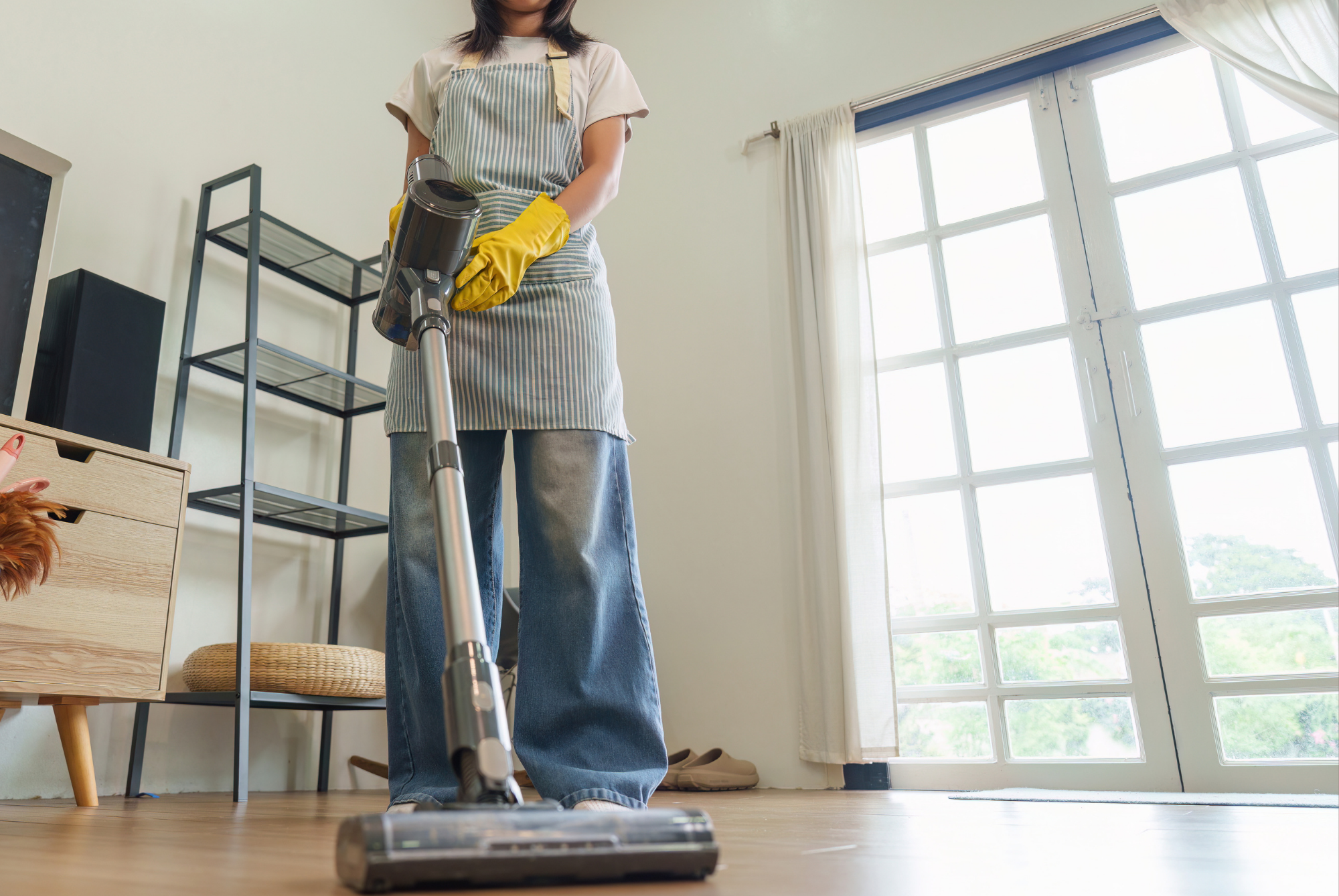
2. Vacuum Regularly
Pet allergens can accumulate in carpets, rugs, upholstery, and other fabrics.
Vacuuming regularly with a HEPA-filtered vacuum can help reduce the amount of allergen-containing dust throughout the home.
3. Wash Pet Bedding
Your pet's bed can become a collection point for hair, dander, and allergens.
Washing bedding regularly helps keep that buildup under control.
4. Create an Allergy-Friendly Bedroom
Your bedroom should ideally be one of the lowest-allergen areas of your home.
Keeping your pet out of the bedroom, washing bedding regularly, and minimizing allergen-trapping fabrics can help reduce overnight exposure.
5. Don't Forget the Surfaces
Vacuuming the floor is only part of the equation.
Pet allergens can settle on sofas, curtains, rugs, bedding, and other surfaces. Regular dusting and cleaning can help prevent those allergens from accumulating.
6. Pacagen Allergen Neutralizing Spray
Pacagen's Allergen Neutralizing Spray can help reduce pet allergens, specifically cat and dog allergens. Use the spray on all surfaces in your house, especially places where your pet stays for prolonged periods, and Pacagen can neutralize up to 98% of pet allergens.
So... Should You Open Your Windows?
It depends.
If outdoor pollen and mold levels are low, opening your windows may provide useful ventilation.
But if pollen counts are high or outdoor mold is a trigger for you, keeping your windows closed may be the better choice.
And if your main problem is pet allergens already inside your home, opening a window shouldn't be your only strategy.
Think of it this way:
Opening a window changes the air. It doesn't necessarily remove the allergen.
For people with pet allergies, the goal isn't simply to get "fresh air." It's to reduce the total amount of allergen you're exposed to—both airborne and on the surfaces around you.
Final Thoughts
There's nothing wrong with enjoying a little fresh air.
But if you have pet allergies, "just open a window" isn't a complete allergy-management strategy.
On low-pollen days, ventilation can be helpful. During high-pollen periods, however, that same open window can introduce another source of allergens into your home.
The most effective approach is usually a combination of strategies: control outdoor exposure, filter indoor air, clean regularly, wash pet bedding, and reduce the amount of allergen that accumulates on household surfaces.
And if your symptoms are persistent, severe, or difficult to manage, consider speaking with an allergist. Allergy testing can help determine exactly which allergens are triggering your symptoms and guide a more personalized approach.
Because when you live with a pet, the goal shouldn't be choosing between fresh air and your furry friend.
It should be finding a way to make your home more comfortable for both of you.