I used to think my dog would drink water whenever he was thirsty. That sounds obvious, right?
The bowl was always there. I refilled it every morning. Sometimes I'd even put fresh water in it halfway through the day. But somehow, my dog would barely touch it.
I started noticing that he would go hours without taking more than a few sips. After walks, I expected him to practically empty the bowl. Instead, he'd come inside, flop onto the floor and completely ignore it.
At first, I thought maybe he just wasn't thirsty. Then I realized I was probably making a few assumptions about what should make a dog want to drink.
So I started paying closer attention to when, where and how my dog actually drank water. What I discovered was that getting him to drink more wasn't about forcing him to drink. It was about making water easier, more appealing and more accessible.
Here's what finally worked for us.
First, I Started Paying Attention to How Much He Was Actually Drinking
The first mistake I made was assuming that an empty bowl meant my dog had been drinking enough. It didn't. Once I started monitoring his water intake, I realized how little he was actually consuming.
A general guideline cited by veterinarians is around 1 ounce of water per pound of body weight per day, although a dog's needs can vary based on things like diet, activity level, time spent outdoors and temperature. Dogs eating wet food, for example, may drink less because they're already getting additional moisture from their meals.
I wasn't trying to make my dog hit an exact number every day. Instead, I wanted to understand his normal drinking habits. That turned out to be much more useful.
The Bowl Might Have Been Part of the Problem
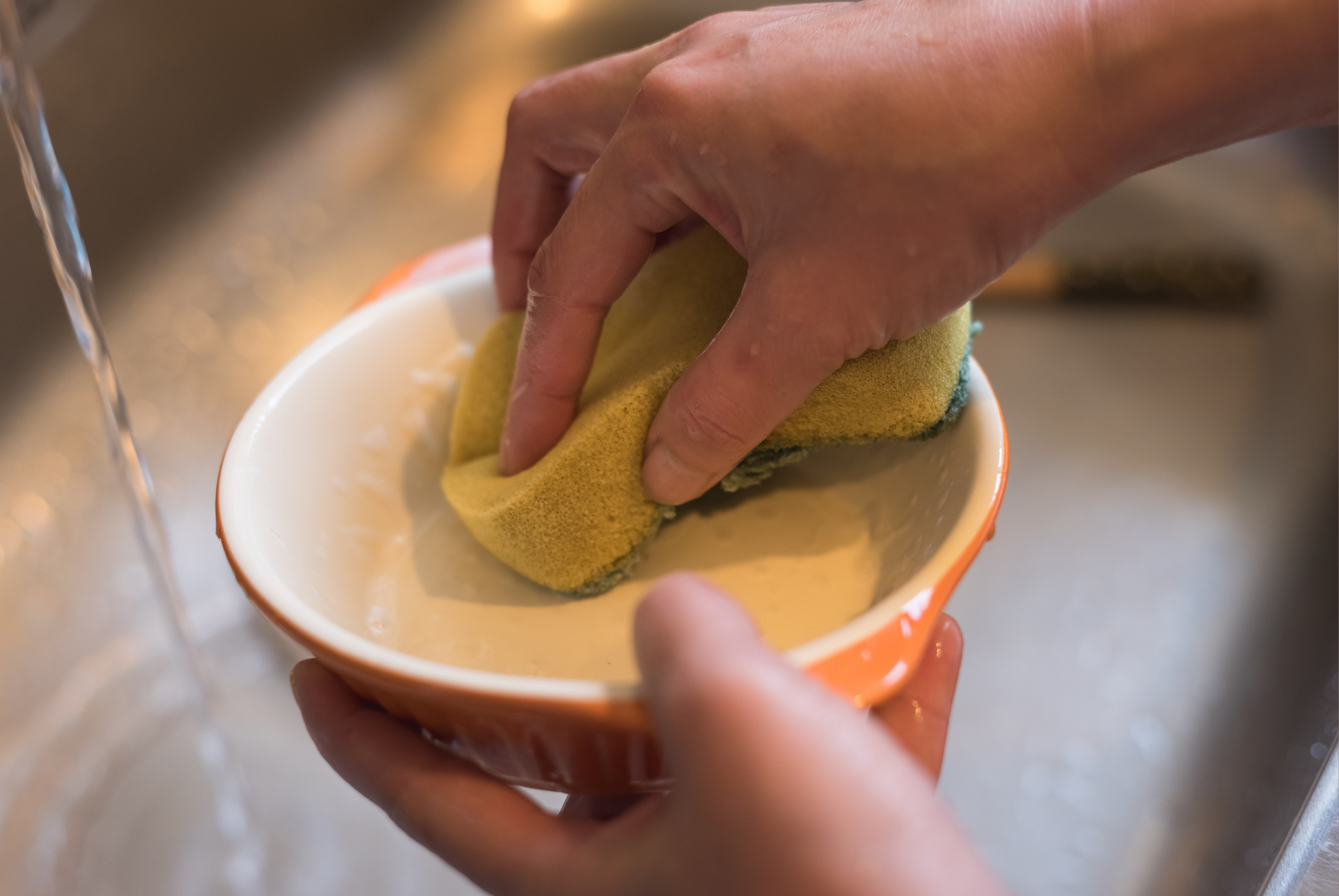
This was one of the easiest things I changed. I had been using the same water bowl for a long time. It looked clean to me, but I wasn't necessarily giving it the kind of thorough cleaning I should have been. And apparently, dogs can be pickier about their water than we give them credit for.
Dirty bowls, stale water, odors and even the location of the bowl can make some dogs less interested in drinking. A bowl sitting in a busy or noisy part of the house may also be less appealing than one in a quiet location.
So I started with the simplest possible solution:
Fresh water. Clean bowl. Better location.
I washed the bowl more regularly and started replacing the water instead of simply topping off what was already there. That alone made a difference.
I Put Water in More Than One Place
This was probably the most surprisingly effective change. Instead of keeping one water bowl in one spot, I added another. Then another. I put one near where my dog spends most of his time and another in an area he frequently passes through.
The idea wasn't to make him drink on command. I just wanted water to be available wherever he happened to be. This also helped me figure out whether location was part of the issue. Some dogs may avoid a bowl if another pet is nearby or if the area is too busy, so having multiple water sources can give them more choices.
And apparently, my dog likes choices.
Then I Tried Changing the Bowl
After experimenting with locations, I started wondering whether he had a preference for the actual bowl. So I switched it. I tried a different material and shape and paid attention to what happened.
It sounds ridiculous until you watch your dog completely ignore one bowl and happily drink from another. Stainless steel bowls are one option because they're relatively easy to clean, and keeping water bowls clean is important regardless of which material you use. Some dogs may also enjoy drinking from a fountain because the moving water can be more interesting to them.
I didn't immediately run out and buy every type of water bowl available. I just experimented.
That became my general strategy: change one thing at a time and see what my dog responds to.
I Started Adding More Water to His Food
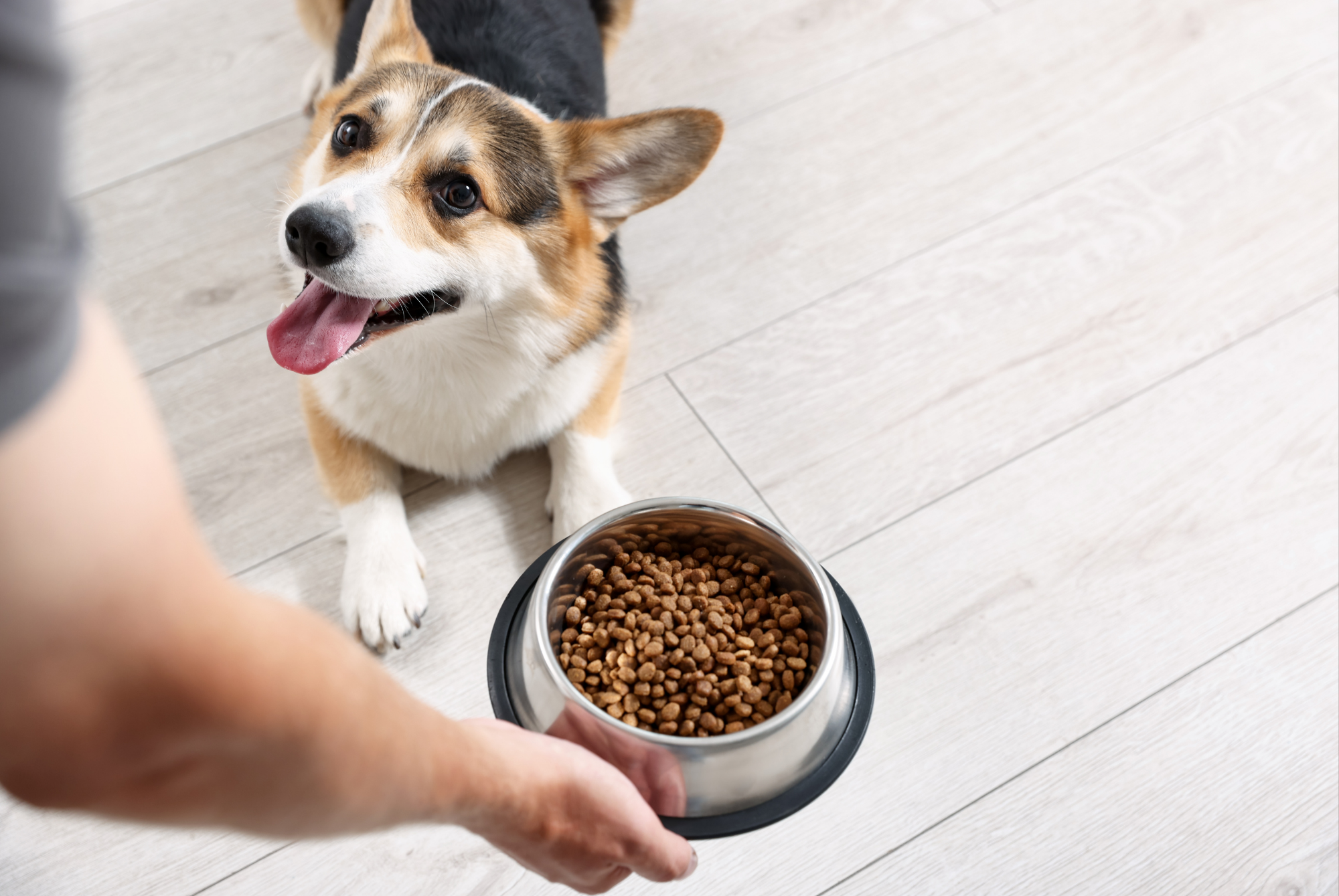
This was another small change that didn't require convincing my dog to stand over a bowl and drink. If he wasn't going to drink enough water on his own, I could at least make sure he was getting additional moisture through his meals.
Adding wet food can increase a dog's overall water intake because canned food contains substantially more moisture than dry food. Some pet parents also use dog-safe broth as a food topper, although it's important to consider ingredients and calories when adding anything extra to a dog's diet.
For me, adding a little extra moisture to his food was much easier than constantly trying to get him interested in his water bowl. And because he was already excited about mealtime, I didn't have to convince him to participate.
I Also Tried Making Water Part of Playtime
This one felt silly at first. But sometimes dogs are more interested in doing something fun than they are in being told to drink water.
Water-based play can encourage some dogs to interact with water naturally. Things like playing outside with water or using a dog-safe water toy can turn hydration into part of an activity instead of another thing you're asking your dog to do.
My dog was much more enthusiastic about water when it was connected to something he actually wanted to do. It reminded me that dogs don't always respond to our logic.
Dogs Don't Speak Hydration
"You need to drink water" means nothing to a dog. "Let's play" is a completely different story.
What I Didn't Do: Force Him to Drink
Once I became concerned about his water intake, my first instinct was to make him drink. I quickly realized that wasn't the right approach.
Instead of hovering over the bowl or repeatedly bringing it to him, I focused on making water available and appealing. There is also an important distinction between a dog who simply isn't drinking as much as you'd expect and a dog who is actually dehydrated.
Changes in drinking habits can sometimes point to an underlying health issue. Signs of dehydration can include low energy, tacky gums, decreased skin elasticity, vomiting and other concerning symptoms. If a dog suddenly stops drinking or you notice a significant change in their normal water consumption, it's worth contacting a veterinarian rather than assuming they're simply being picky. That part is especially important.
My dog's drinking habits were something I could troubleshoot at home. A sudden or serious change in those habits is something I wouldn't try to troubleshoot indefinitely.
The Biggest Change Was Actually Paying Attention
Looking back, I don't think there was one magic trick that suddenly turned my dog into a water drinker. It was a combination of small changes.
I kept his water fresh. I cleaned his bowl more often. I experimented with different locations and bowls. I made sure he had access to water throughout the house. I added more moisture to his meals and found ways to make water part of activities he already enjoyed.
Most importantly, I started paying attention to his habits instead of assuming every dog drinks the same way. Some dogs will happily empty a water bowl the second you fill it. Others need a little more encouragement.
And sometimes the simplest explanation is that your dog doesn't like something about the water source itself. For me, getting my dog to drink more wasn't about finding a complicated solution.
It was about realizing that hydration isn't just about putting down a bowl of water. It's about making sure your dog actually wants to use it. And once I stopped treating the water bowl as the solution and started looking at the bigger picture, things finally changed.